

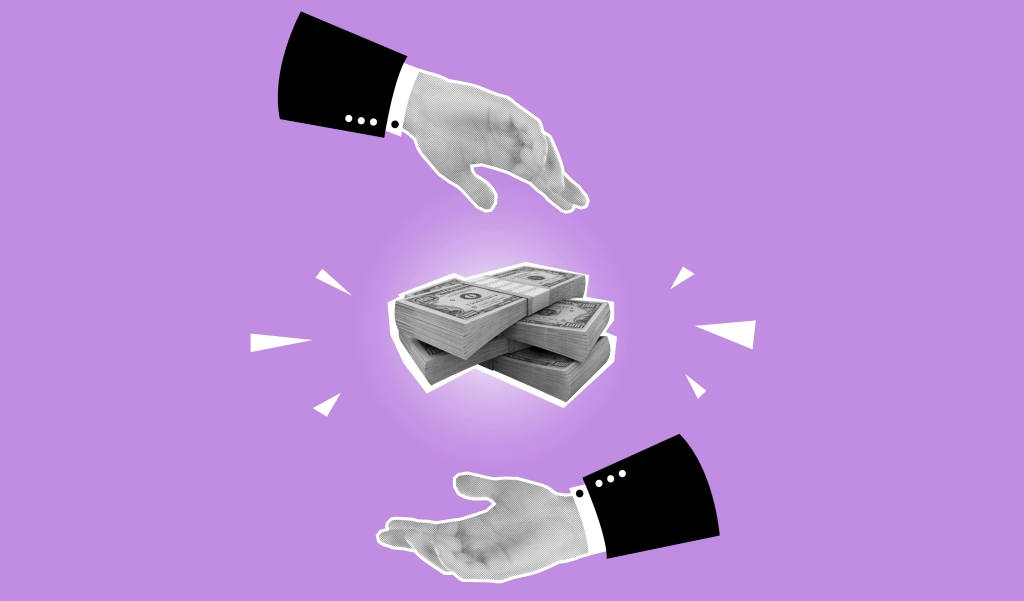
You have an idea, you have a plan, you've imagined everything, you even know the product name, but you have a not-so-small problem: how to finance it all?
What is crowdfunding?
Crowdfunding is an alternative financing model, which aims to simplify fundraising for companies trying to bring a specific product to market. In other words, if a company has an idea for a specific product but doesn't have the funds, it turns to crowdfunding platforms like Kickstarter, Indiegogo, RocketHub, GoFundMe, etc.
Crowdfunding At its core, it primarily brings together small investors, most often ordinary citizens who invest their money in some idea.
It may not sound groundbreaking, but keep in mind that the power crowdfunding It's not about the amount of money, but the number of people!
How does crowdfunding work?
Crowdfunding The platform provides an opportunity to create a relationship between two parties: companies and donors (citizens). It is important to note, as in the case of www.kickstarter.com, the site only provides a platform for fundraising, but not a contractual obligation to the individuals funding the project. That relationship is created between the citizens who give the money and the company that takes the money for the needs of its product. When a company decides to take that step, it must present the following elements to potential investors:
- A good business plan: even though it's not a bank, crowdfunding is a platform for raising funds. Considering you have thousands upon thousands of potential investors, it's extremely important to have a detailed business plan to show investors that you're not just there for short-term gain, and this will increase the chances of the campaign's success. The business plan will help you by setting clear budget and deadline constraints.
- Clear timeline: your donors need to know when you plan to finish the prototype, or when you plan to launch a specific product. This is especially important for those donors who might want to buy a stake in your company at some point.
- Specific product: Your product must be clearly defined and “visible.” We used quotation marks because sometimes the product is in the prototype phase; if that is the case, you must have clear sketches, technical drawings, and specifications, based on which donors can assess whether your product has potential.



 Serbian
  English